23 June 2026 – As part of International Women in Engineering Day (INWED), several European-funded projects working across sectors including transport and mobility, smart energy systems, renewables, batteries, power electronics, industry and manufacturing, and the built environment are joining forces for a social media campaign to celebrate the contribution of European women engineers and researchers.
Through a coordinated online campaign led by ICONS Innovation Strategies, participating projects will share short personal video messages and quotes from women engineers and researchers involved in their initiatives. Contributors will answer a common question: ‘How would you encourage other women to take up a career in engineering?’ The campaign will be promoted on 23 June 2026 using the hashtags #EUWomenEngineers and #INWED2026. The aim is to foster dialogue around representation, innovation, and equal opportunities across engineering and technology sectors.
By showcasing authentic stories and professional journeys, the initiative celebrates women already working in engineering and encourages younger generations to see themselves as future innovators who can shape a more sustainable and resilient Europe.
The participating projects believe that diversity is a key driver of creativity and technological progress, and that empowering women in engineering is essential to achieving Europe’s climate, industrial and societal ambitions.
Ani Asatryan from the InterSCADA project states: ‘As a Project Manager for the INTERSCADA project, and with a background in engineering, I strongly believe that the role of women in this field is crucial. Engineering thrives on diverse perspectives, creativity and innovation – qualities that are strengthened when women are equally represented and empowered. My own journey from an engineering background into project management has shown me how valuable it is to combine technical expertise with inclusive leadership.’
Despite growing awareness around diversity in STEM, women remain underrepresented in engineering professions worldwide. According to the latest Eurostat data, the proportion of female scientists and engineers varies widely among EU countries, with the highest shares registered in Latvia (50.9%), Denmark (48.8%), Estonia (47.9%), Spain (47.6%), Bulgaria (47.3%) and Ireland (47.3%). The lowest representation of female scientists and engineers was in Finland (30.7%), followed by Hungary (31.7%), Luxembourg (32.4%), Slovakia (33.6%) and Germany (34.6%). These figures highlight the continued importance of creating visible role models, inclusive workplaces and stronger pathways for young women entering technical careers.
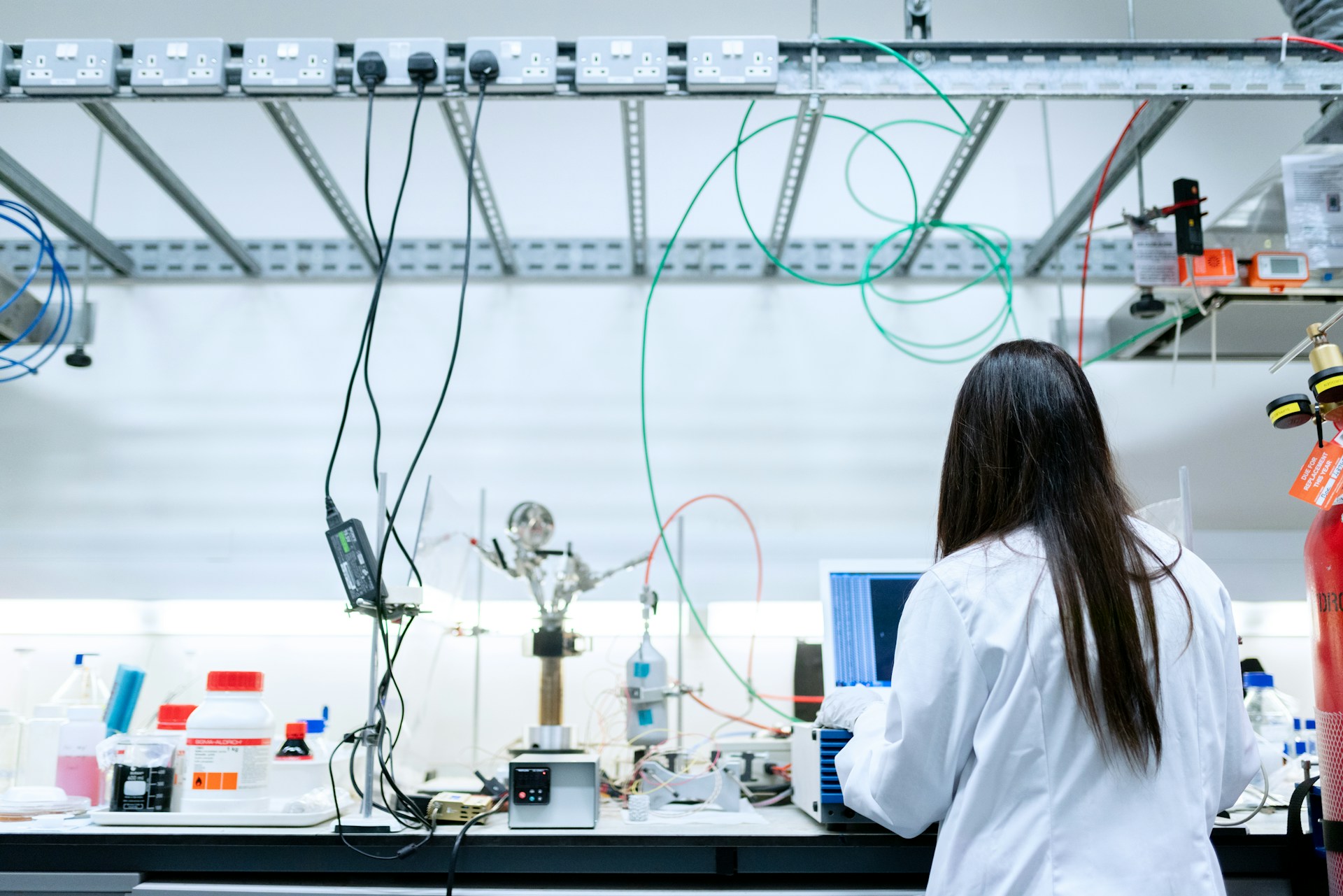
Cover photo ©ThisisEngineering